
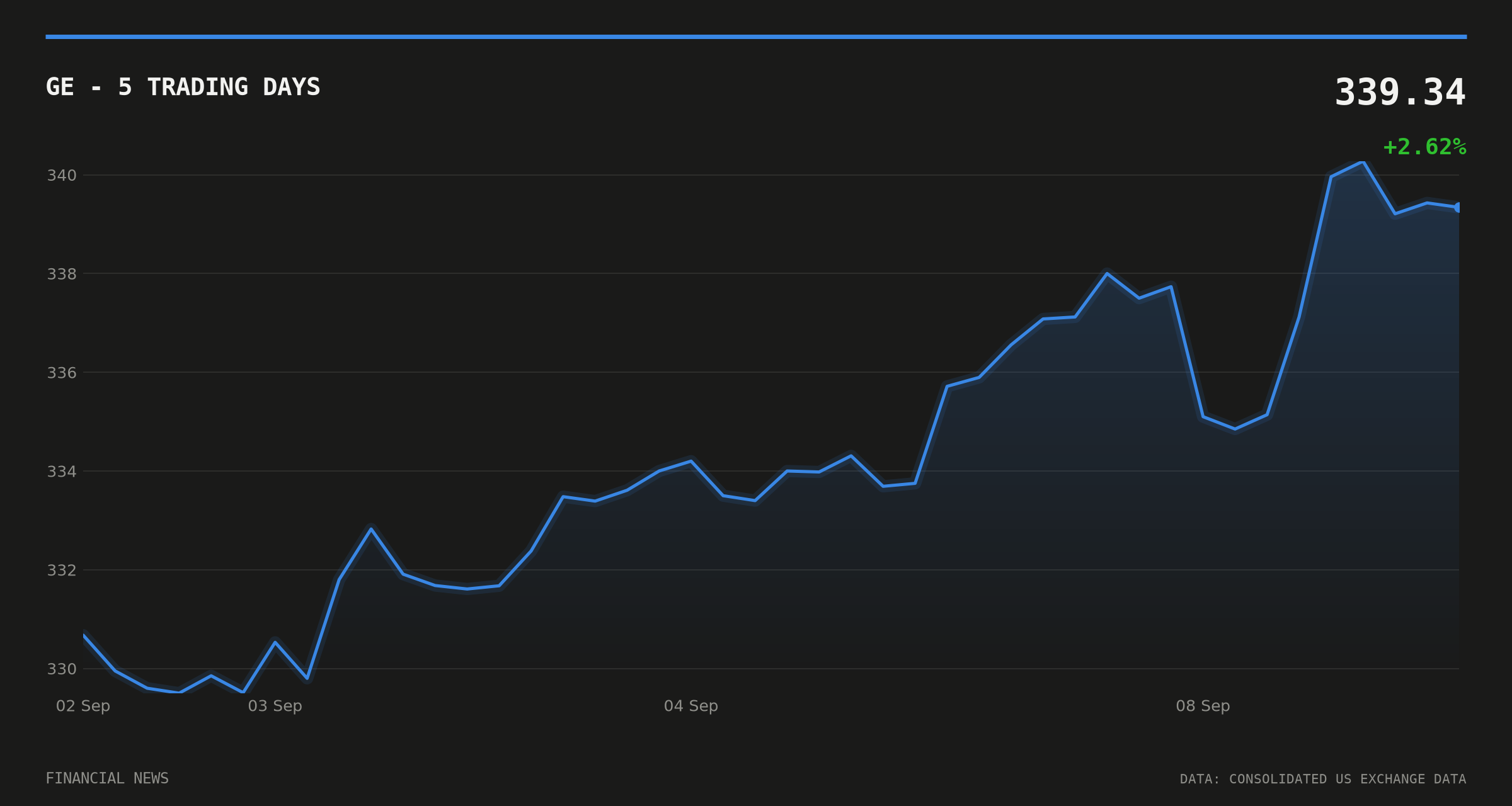

GE Aerospace (NYSE: GE) has signed an agreement to acquire Consolidated Precision Products (CPP), a maker of castings for jet engines, from private equity owners Warburg Pincus and Berkshire Partners, the company said on 8 September 2026.
The deal values CPP at $11.75bn, funded with $7bn in cash and the remainder in new debt, GE disclosed.
Why GE Aerospace wants CPP
CPP employs roughly 6,600 people across more than 20 facilities and supplies castings that feed GE’s LEAP, GEnx, T700, F110 and F404 engine programmes, according to Yahoo Finance.
Chief executive H. Lawrence Culp Jr. said in the filing that ‘investing in mission-critical casting capacity is needed to support the strong simultaneous demand across commercial engines, aftermarket and defense,’ according to the 8-K exhibit filed with the SEC.
Engine makers have repeatedly pointed to castings shortages as a constraint on production, and CNBC reported the acquisition marks GE Aerospace’s largest since it became a standalone company. Bringing one of the industry’s largest independent casting suppliers in-house gives GE more direct control over a bottleneck that has slowed engine deliveries across the sector.
Price tag and financing
The $11.75bn price implies roughly 18 times CPP’s projected 2027 earnings before interest, tax, depreciation and amortisation once net synergies are included, or about 26 times before them, Yahoo Finance reported. The transaction is expected to close in the second half of 2027, subject to regulatory approval.
Evercore and PJT Partners are advising GE Aerospace; Morgan Stanley and Guggenheim Securities are advising CPP, per the same report. CPP is headquartered in Cleveland, Ohio, and produces investment and precision sand castings, according to Berkshire Partners’ own portfolio page for the company. CPP was founded in 1991 and expanded through acquisitions, including the purchase of Allegheny Technologies’ titanium investment castings business in 2019, a deal disclosed at the time in an ATI filing with the SEC. That history underlines CPP’s role as a long-running consolidator of aerospace and defence casting capacity, well before private equity and now GE took an interest.
Shares and the wider backdrop
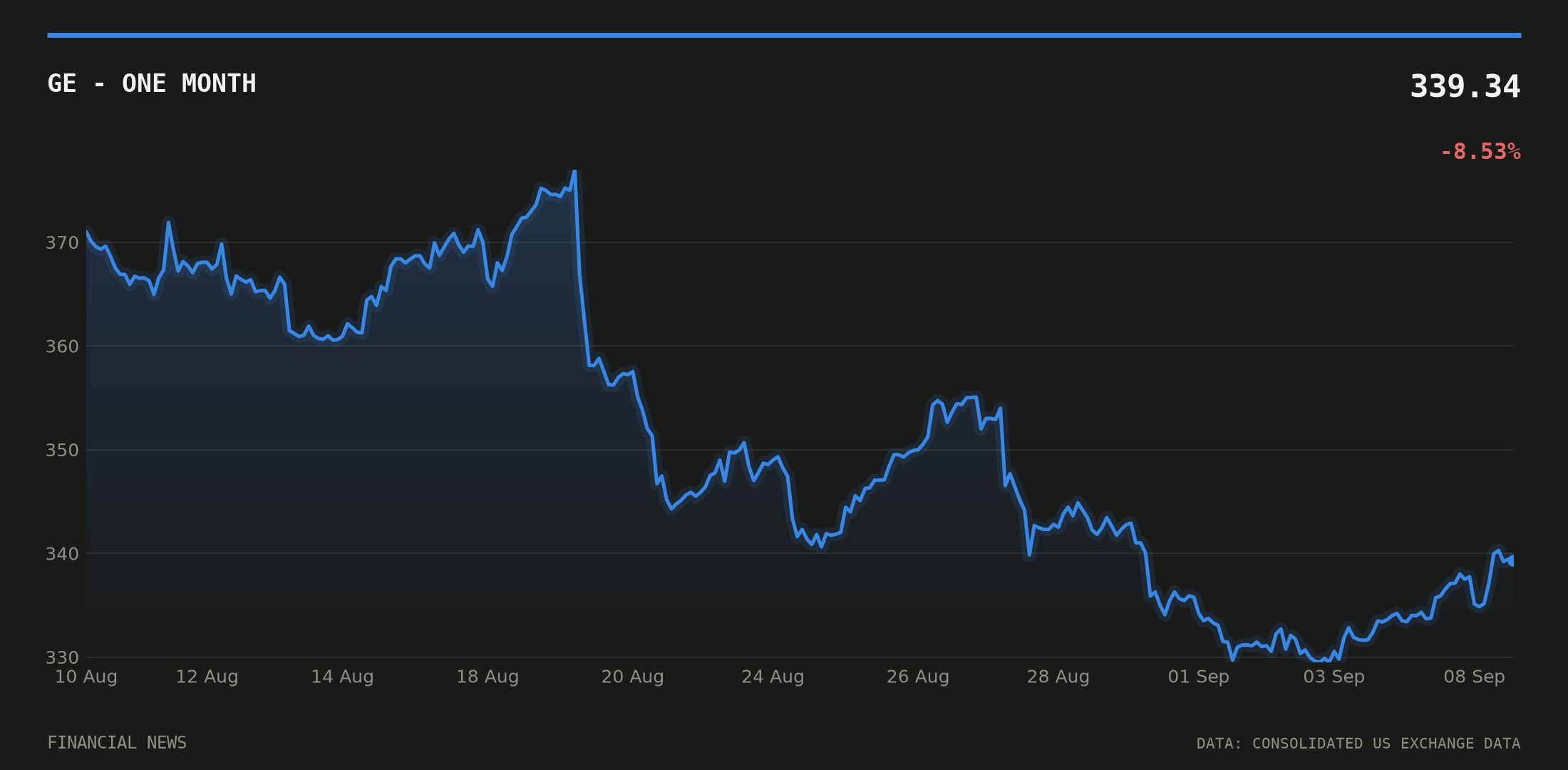
GE shares closed at $339.40 on 8 September, up 1.36% on the day but down 9.01% over the prior 20 trading sessions, according to consolidated exchange data. The stock’s reaction to the deal itself was muted in early trading, Yahoo Finance reported, suggesting investors were still digesting the price tag relative to the strategic case.
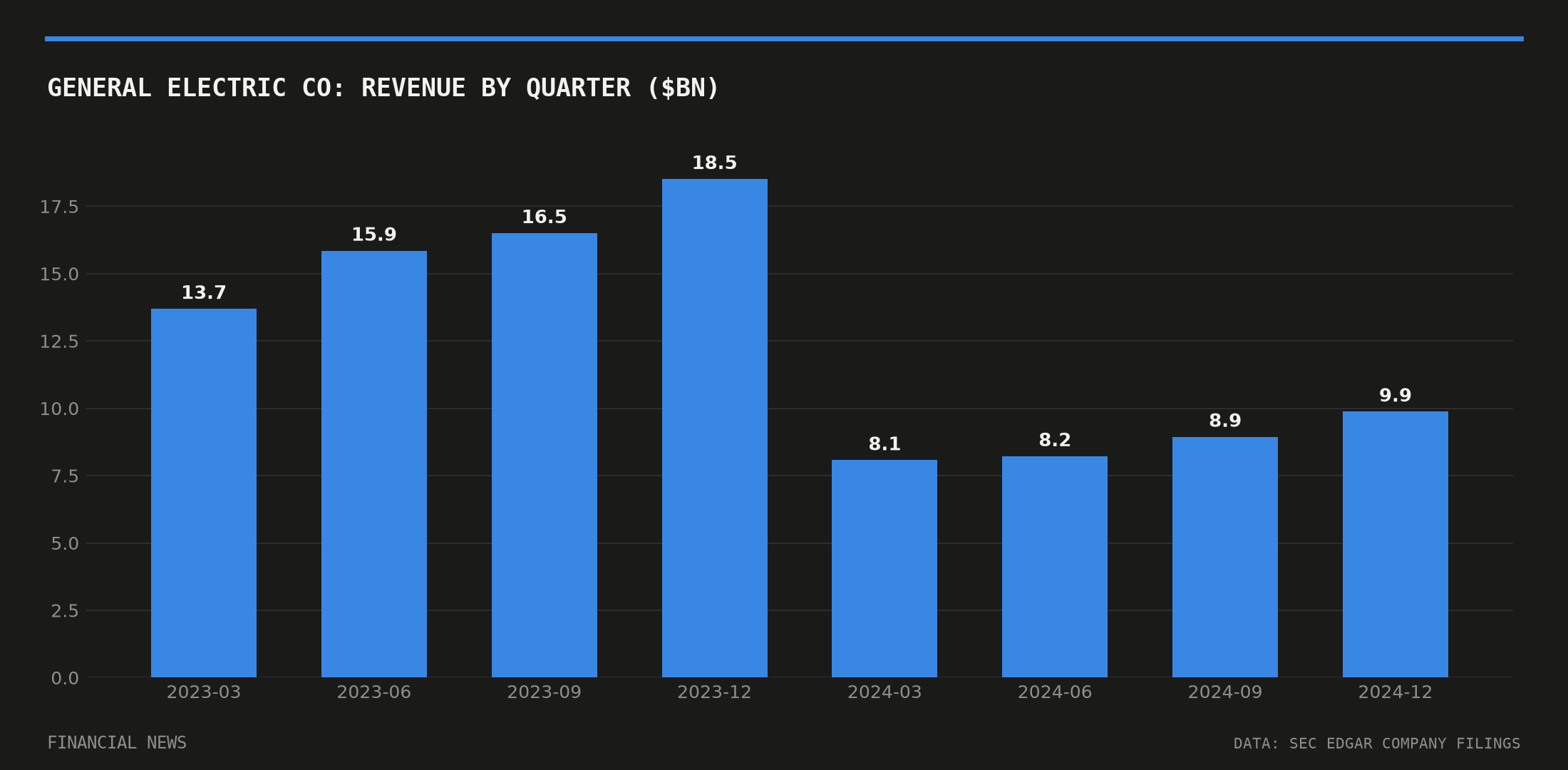
The acquisition follows a run of strong results at GE Aerospace. The company raised full-year guidance in July 2026 after second-quarter revenue and adjusted earnings per share both rose more than 20% year-on-year, with record engine deliveries and shop-visit output, Yahoo Finance reported. Net income for the quarter ended 30 June 2026 came to $2.37bn, up from $2.03bn a year earlier, with diluted earnings per share of $2.26 versus $1.89, according to GE’s 10-Q filed with the SEC. That followed a first quarter in which net income was $1.9bn and diluted EPS came to $1.81, per the company’s earlier filing. The improving run rate gives GE more room to absorb a debt-funded deal of this size without straining near-term cash generation.
Financing conditions for the debt portion look relatively settled. The 10-year Treasury yield stood at 4.77% on 3 September, barely changed from 4.79% a week earlier, while the unemployment rate held at 4.1% in August, according to Federal Reserve Bank of St. Louis data. Short interest in GE shares, measured by FINRA’s daily short-sale volume ratio, ranged between roughly 0.40 and 0.56 in the weeks before the announcement, showing no sign of unusual positioning ahead of the deal.
What happens next
The deal needs regulatory clearance before it can close, a process GE expects to run into the second half of 2027. Investors will be watching how the company finances the debt portion of the $11.75bn price and whether the promised synergies materialise quickly enough to bring the multiple down from its pre-synergy level of roughly 26 times projected EBITDA.
This article is for information only and is not investment advice or a recommendation to buy or sell any asset. Markets move quickly; figures are correct as sourced at the time of writing. Always do your own research before making financial decisions.
